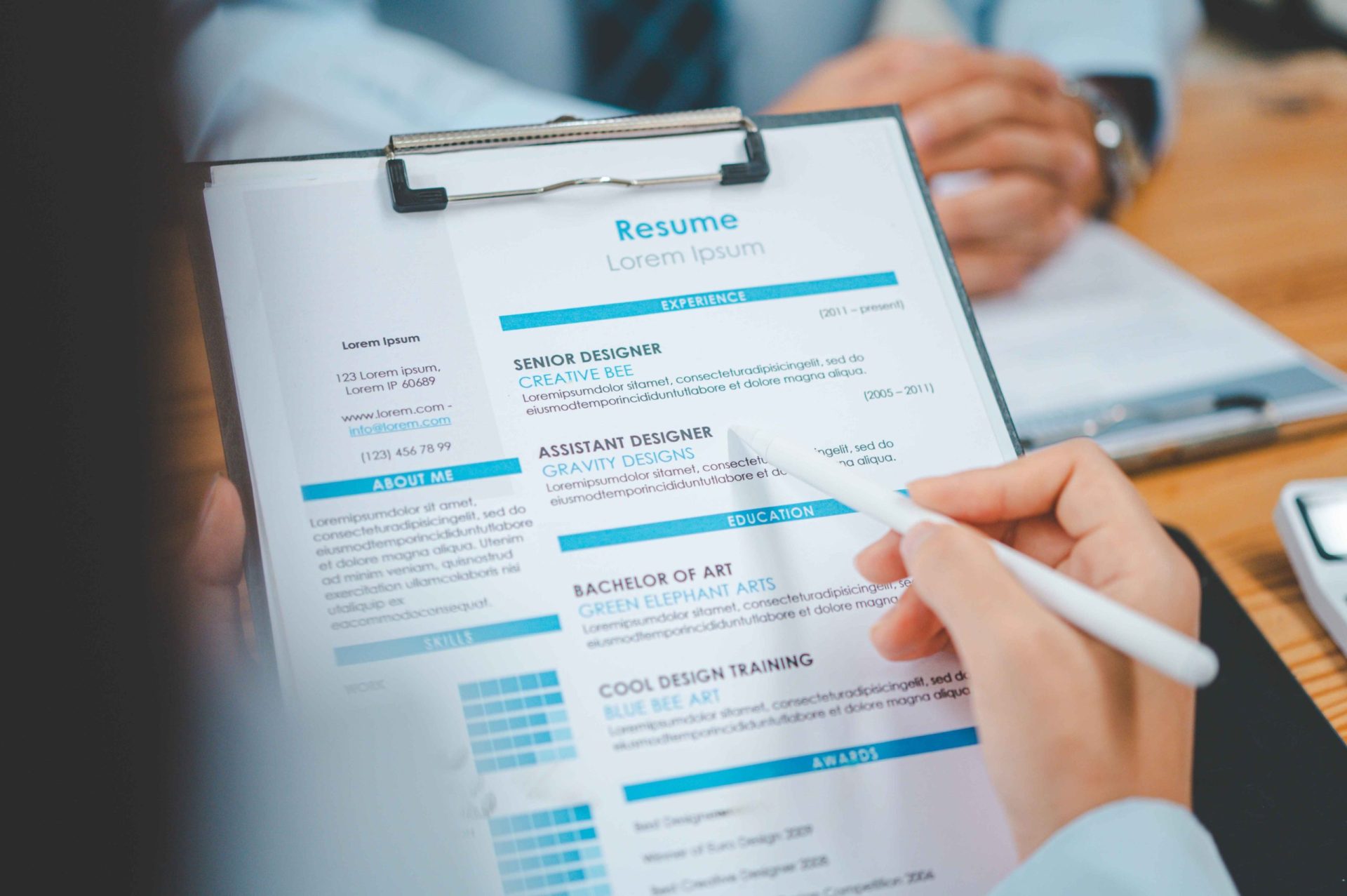


In today’s competitive professional landscape—especially in fields like healthcare, business, and technology—the debate between experience and credentials continues to shape hiring decisions, career growth, and personal development. Employers often seek candidates who possess the “perfect blend” of formal education and real-world expertise, yet achieving this balance is not always straightforward.
So, which matters more—experience or credentials? The reality is that both play vital roles, and understanding how to balance them effectively can be the key to long-term success. This blog explores the importance of each, their unique advantages, and practical strategies to integrate both into a thriving career.
Understanding Credentials
Credentials refer to formal qualifications such as degrees, certifications, licenses, and training programs. They serve as proof that an individual has acquired a certain level of knowledge and competence in a specific field.
In many professions—particularly healthcare, law, and engineering—credentials are non-negotiable. They ensure that individuals meet standardized requirements and are equipped to perform their roles safely and ethically.
Key benefits of credentials include:
- Structured Knowledge: Formal education provides a strong theoretical foundation.
- Credibility: Certifications and degrees build trust with employers and clients.
- Regulatory Compliance: Many industries require specific qualifications to practice legally.
Credentials often act as the first filter in hiring processes, helping employers assess whether candidates meet basic requirements.
The Value of Experience
Experience, on the other hand, is gained through practical exposure—working in real environments, handling challenges, and applying knowledge in meaningful ways.
While credentials demonstrate what you know, experience shows what you can do.
Advantages of experience include:
- Practical Skills: Hands-on work develops problem-solving abilities.
- Adaptability: Real-world situations teach flexibility and quick thinking.
- Confidence: Repeated exposure builds competence and self-assurance.
In many cases, experienced professionals can navigate complex situations more effectively than those who rely solely on theoretical knowledge.
Why the Debate Exists
The tension between experience and credentials often arises because employers have different priorities. Some roles require strict adherence to regulations, making credentials essential. Others emphasize performance and results, placing greater value on experience.
For example:
- A clinic may require certified professionals to meet legal standards.
- A startup might prioritize hands-on experience and adaptability over formal education.
This variation makes it important for individuals to understand their industry’s expectations and tailor their approach accordingly.
The Risks of Relying Only on Credentials
While credentials are important, relying solely on them can create limitations.
Lack of Practical Application
Individuals with strong academic backgrounds may struggle when faced with real-world challenges if they lack hands-on experience.
Limited Problem-Solving Skills
Textbook knowledge does not always translate directly into practical solutions. Experience helps bridge this gap.
Reduced Adaptability
Without exposure to dynamic environments, it can be difficult to adjust to unexpected situations.
In fast-paced industries, employers often look for candidates who can apply knowledge effectively—not just recall it.
The Risks of Relying Only on Experience
On the other hand, focusing only on experience can also be problematic.
Lack of Formal Recognition
Without credentials, individuals may face barriers to entry in certain professions.
Knowledge Gaps
Experience alone may not provide a comprehensive understanding of underlying principles or new developments.
Limited Career Advancement
Many organizations require formal qualifications for promotions or specialized roles.
In regulated industries, lacking proper credentials can prevent even highly skilled individuals from progressing.
The Ideal Balance
The most successful professionals understand that experience and credentials are not competing forces—they are complementary.
Credentials provide the foundation, while experience builds upon it. Together, they create a well-rounded skill set that is both credible and practical.
A balanced professional:
- Understands theoretical concepts
- Applies knowledge effectively in real situations
- Continuously learns and adapts
This combination is what employers value most.
Strategies to Balance Experience and Credentials
Achieving the right balance requires intentional effort. Here are practical strategies to help you integrate both:
1. Start with a Strong Educational Foundation
Begin by acquiring the necessary credentials for your field. This ensures that you meet industry standards and opens doors to opportunities.
Choose programs that not only provide theoretical knowledge but also include practical components such as internships or clinical training.
2. Gain Hands-On Experience Early
Don’t wait until after graduation to start building experience. Look for opportunities such as:
- Internships
- Part-time jobs
- Volunteer work
- Apprenticeships
These experiences allow you to apply what you learn and develop practical skills.
3. Pursue Continuous Learning
Education does not end with a degree. Stay updated by:
- Taking short courses
- Earning additional certifications
- Attending workshops and seminars
Continuous learning helps you stay relevant in a constantly evolving job market.
4. Learn from Mentors
Mentorship is a powerful way to bridge the gap between theory and practice. Experienced professionals can provide insights that are not found in textbooks.
A good mentor can:
- Share real-world experiences
- Offer guidance on career decisions
- Help you avoid common mistakes
5. Reflect on Your Experiences
Experience alone is not enough—you must learn from it. Take time to reflect on your work:
- What challenges did you face?
- How did you solve them?
- What could you improve?
Reflection turns experience into meaningful growth.
6. Build a Strong Professional Network
Networking connects you with individuals who can support your growth. It exposes you to different perspectives and opportunities.
Engage with:
- Industry professionals
- Colleagues
- Professional organizations
A strong network can help you find opportunities to gain both experience and credentials.
7. Align with Industry Requirements
Different industries have different expectations. Research your field to understand what employers value most.
For example:
- Healthcare roles may require strict certifications.
- Creative industries may prioritize portfolios and experience.
Aligning your efforts with industry standards ensures that you remain competitive.
The Role of Employers
Employers also play a significant role in balancing experience and credentials. Organizations that invest in employee development create stronger, more capable teams.
Supportive employers:
- Offer training and development programs
- Encourage continuing education
- Provide opportunities for hands-on learning
When organizations value both credentials and experience, they foster a culture of growth and excellence.
Real-World Examples
Consider a healthcare professional working in a clinic. Their medical degree provides the necessary knowledge and legal authority to practice. However, it is their daily interactions with patients, handling of emergencies, and collaboration with colleagues that truly shape their expertise.
Similarly, in the business world, a degree in management may provide foundational knowledge, but real success often comes from practical experience—leading teams, solving problems, and making strategic decisions.
These examples highlight the importance of integrating both elements.
Overcoming Common Challenges
Balancing experience and credentials can be challenging, especially when resources or opportunities are limited.
Time Constraints
Balancing work and education can be demanding. Prioritize and create a structured schedule.
Financial Barriers
Education and certifications can be costly. Explore scholarships, employer-sponsored programs, or affordable online courses.
Limited Opportunities
If formal opportunities are scarce, consider volunteering or freelancing to gain experience.
Overcoming these challenges requires persistence and creativity.
The Future of Work
As industries evolve, the importance of balancing experience and credentials continues to grow. Employers are increasingly looking for individuals who are not only qualified but also capable of adapting to change.
Technological advancements, shifting job roles, and global competition make it essential to:
- Stay updated with new skills
- Continuously gain experience
- Maintain relevant credentials
The future belongs to those who can combine knowledge with action.
Conclusion
Balancing experience and credentials is not about choosing one over the other—it’s about integrating both to create a strong, adaptable, and successful professional profile.
Credentials open doors, while experience ensures you can walk through them with confidence. Together, they form the foundation of a thriving career.
By investing in education, seeking practical opportunities, and committing to lifelong learning, individuals can achieve this balance and position themselves for long-term success in any field.
In the end, the goal is not just to be qualified—but to be capable, confident, and ready to excel in real-world challenges.