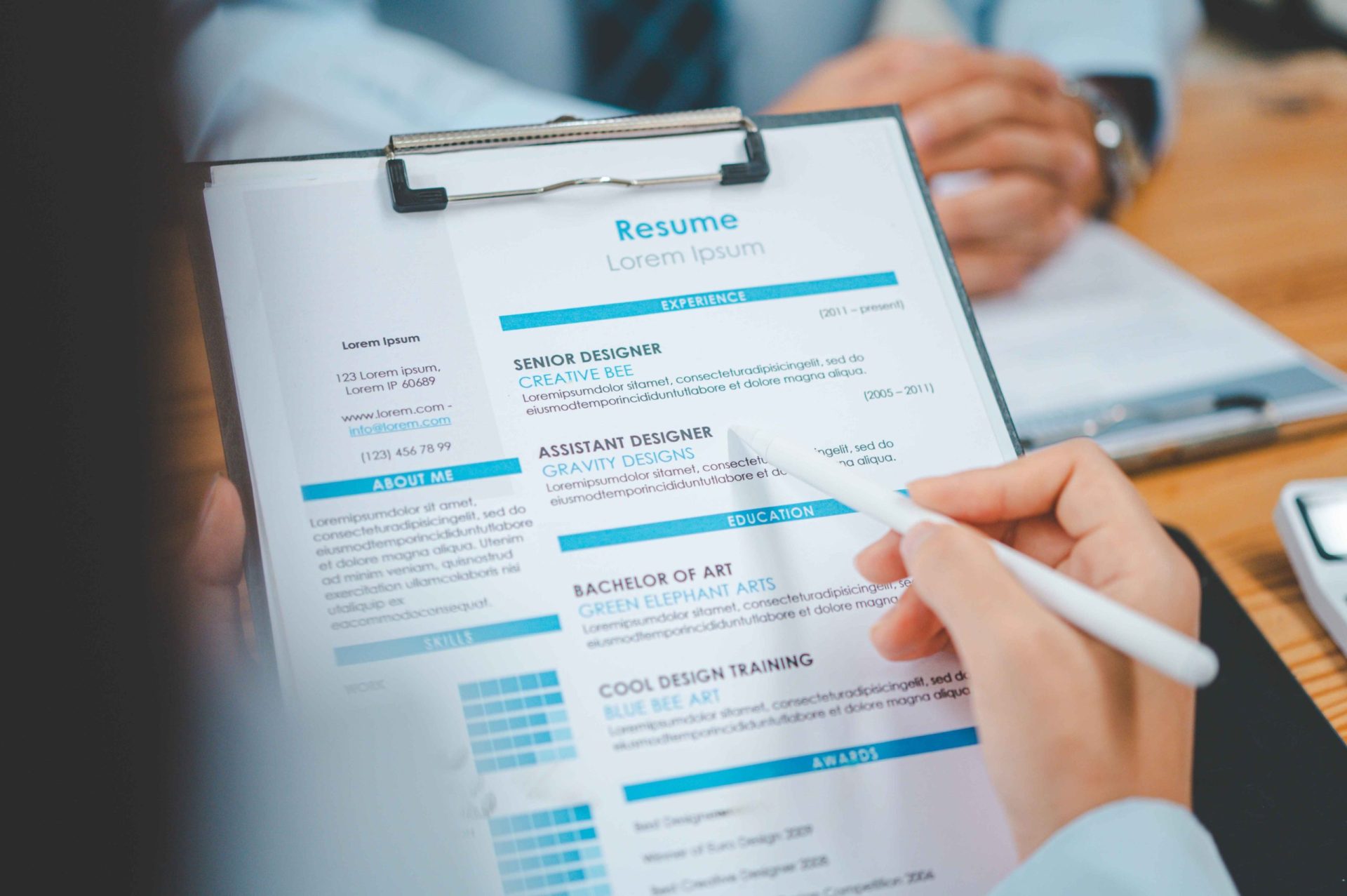


Interviews in the healthcare field are more than just conversations—they are assessments of your skills, professionalism, communication, and ability to handle real-life clinical situations. Whether you are applying for a clinic assistant role, nursing position, administrative job, or any healthcare-related post, your interview performance can significantly influence your chances of getting hired.
Healthcare employers are not only looking for qualifications on paper; they want individuals who can demonstrate compassion, critical thinking, and reliability under pressure. This blog will guide you through practical and effective interview tips to help you succeed in healthcare job interviews.
Understanding What Healthcare Employers Look For
Before preparing for an interview, it is important to understand what hiring managers value most in healthcare candidates.
They typically look for:
- Strong communication skills
- Clinical or technical knowledge (depending on role)
- Empathy and patient-centered attitude
- Professional behavior
- Ability to handle stress and emergencies
- Teamwork and collaboration
Even if you are highly qualified, failing to demonstrate these qualities during an interview can reduce your chances of being selected.
Research the Clinic or Healthcare Facility
One of the most common mistakes candidates make is walking into an interview without proper knowledge of the organization.
Before your interview, research:
- The clinic or hospital’s services
- Their specialties (e.g., cardiology, family medicine, pediatrics)
- Their mission and values
- Their patient care approach
This helps you tailor your answers and shows genuine interest in the role.
For example, if a clinic emphasizes patient-centered care, you can highlight your experience in empathetic communication and patient support.
Understand the Job Role Clearly
Healthcare roles vary widely, even within the same organization. Make sure you fully understand the responsibilities of the position you are applying for.
Review:
- Job description carefully
- Required skills and qualifications
- Daily responsibilities
- Reporting structure
This allows you to align your answers with what the employer is specifically looking for.
Prepare for Common Healthcare Interview Questions
Most healthcare interviews include a mix of technical, behavioral, and situational questions.
Some common examples include:
- “Why do you want to work in healthcare?”
- “How do you handle stressful situations?”
- “Describe a time you dealt with a difficult patient.”
- “How do you prioritize tasks during a busy shift?”
Prepare structured answers using the STAR method:
- Situation
- Task
- Action
- Result
This helps you give clear and professional responses.
Highlight Your Communication Skills
In healthcare, communication is critical. Employers want candidates who can interact effectively with patients, families, and colleagues.
During your interview:
- Speak clearly and confidently
- Avoid overly technical jargon unless necessary
- Show that you can listen actively
- Demonstrate empathy in your answers
Good communication reflects your ability to handle real patient interactions.
Demonstrate Empathy and Compassion
Healthcare is a human-centered field. Technical skills alone are not enough.
Interviewers often evaluate how well you understand patient emotions and needs.
You can demonstrate empathy by:
- Sharing examples of helping patients or clients
- Explaining how you handle emotional situations
- Showing patience and understanding in your responses
Even in administrative roles, empathy is highly valued.
Dress Professionally and Appropriately
First impressions matter in healthcare interviews. Your appearance should reflect professionalism.
Guidelines include:
- Wear clean, formal or business attire
- Keep grooming neat and simple
- Avoid excessive accessories or strong perfumes
- Maintain a confident posture
A professional appearance signals that you understand workplace expectations.
Show Confidence Without Overconfidence
Confidence is essential, but arrogance can be a red flag.
To strike the right balance:
- Maintain eye contact
- Speak clearly and calmly
- Avoid guessing if you don’t know an answer
- Be honest about your experience
Interviewers appreciate candidates who are confident yet humble and willing to learn.
Be Ready for Scenario-Based Questions
Healthcare interviews often include real-life scenarios to test your decision-making skills.
For example:
- “What would you do if a patient becomes aggressive?”
- “How would you handle a medical emergency in a busy clinic?”
When answering:
- Stay calm
- Prioritize patient safety
- Explain logical steps
- Show teamwork and communication
There is often no single “perfect” answer—your approach matters most.
Emphasize Teamwork Skills
Healthcare is a collaborative environment. No role works in isolation.
Show that you can:
- Work effectively with doctors, nurses, and staff
- Support team members during busy periods
- Accept feedback professionally
- Contribute to a positive work environment
Strong teamwork skills are often a deciding factor in hiring.
Be Honest About Your Experience
If you lack experience in certain areas, honesty is always better than exaggeration.
Instead of pretending, you can say:
- “I have not worked directly in that area, but I am eager to learn.”
- “I have some theoretical knowledge and I am looking forward to gaining practical experience.”
Employers value honesty and a willingness to grow.
Prepare Questions to Ask the Interviewer
At the end of most interviews, you will be asked if you have any questions. Always say yes.
Good questions include:
- “What does a typical day look like in this role?”
- “What training opportunities are available?”
- “How is success measured in this position?”
Asking questions shows interest and professionalism.
Understand Body Language
Non-verbal communication is just as important as verbal responses.
During the interview:
- Sit upright and remain attentive
- Avoid crossing arms or appearing distracted
- Nod to show understanding
- Keep a calm and composed expression
Positive body language enhances your overall impression.
Be Prepared for Skill Assessments
Some healthcare roles may require practical tests or written assessments.
These may include:
- Basic medical knowledge tests
- Typing or data entry tasks
- Role-play scenarios
- Clinical skill demonstrations
Practice beforehand if possible to improve confidence.
Manage Interview Anxiety
It is normal to feel nervous before an interview, especially in healthcare roles where expectations are high.
To manage anxiety:
- Practice mock interviews
- Prepare answers in advance
- Take deep breaths before entering
- Focus on your strengths
Remember, interviewers expect some level of nervousness.
Follow Up After the Interview
A simple follow-up can leave a positive impression.
You can:
- Send a thank-you email
- Reaffirm your interest in the role
- Express appreciation for the opportunity
This demonstrates professionalism and enthusiasm.
Common Mistakes to Avoid
Avoid these errors during your healthcare interview:
- Arriving late
- Not researching the organization
- Speaking negatively about past employers
- Giving vague answers
- Overstating your abilities
- Lack of eye contact or engagement
Being aware of these mistakes can significantly improve your performance.
Conclusion
Healthcare interviews are designed to evaluate more than just your qualifications—they assess your ability to communicate, empathize, solve problems, and work effectively in a team. Success depends on preparation, confidence, and understanding what employers truly value.
By researching the organization, practicing common questions, demonstrating professionalism, and showing genuine compassion, you can greatly increase your chances of securing a healthcare role.
In the end, the key to success is not just answering questions correctly, but showing that you are a reliable, caring, and capable professional ready to contribute to patient care and the healthcare team.