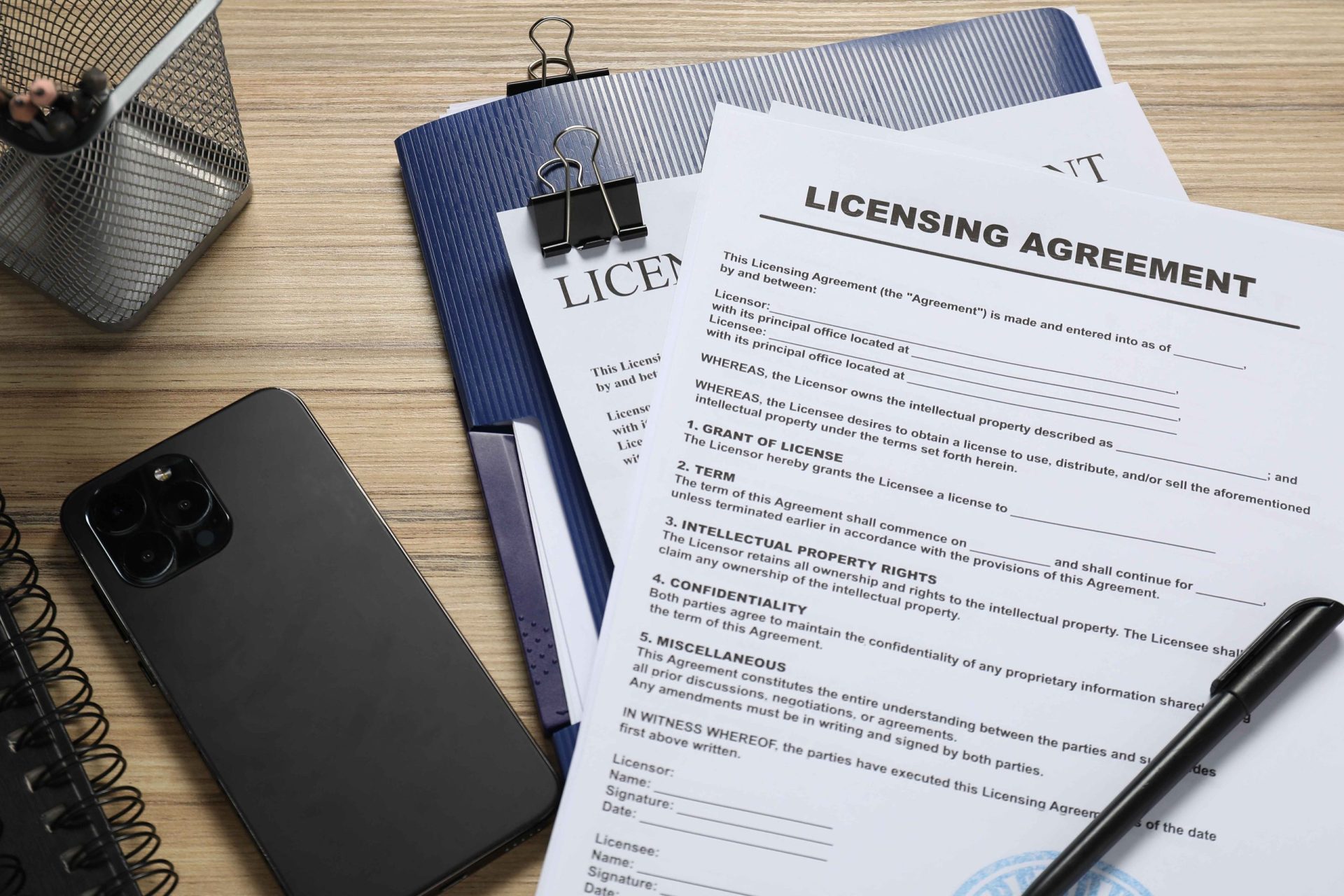

In healthcare environments, documentation is not just administrative work—it is a legal safeguard. Clinics operate in a highly regulated industry where patient care, employee management, and operational decisions must all be properly recorded. In the event of disputes, audits, malpractice claims, or regulatory inspections, accurate documentation becomes the strongest form of protection a clinic can have.
Without proper records, even well-managed clinics can face legal risks, financial penalties, and reputational damage. This is why documentation is considered a core part of risk management in healthcare settings.
This blog explains the essential types of documentation clinics need and how proper recordkeeping helps ensure legal protection.
Why Documentation Is Critical in Clinics
Documentation serves as evidence of actions taken, decisions made, and procedures followed within a clinic.
It helps clinics:
- Defend against legal claims
- Demonstrate compliance with healthcare regulations
- Ensure accountability among staff
- Support accurate patient care decisions
- Prepare for audits and inspections
In simple terms, if something is not documented, legally it may be considered as never having happened.
1. Patient Medical Records
Patient records are the most important form of documentation in any clinic.
These include:
- Medical history
- Diagnosis reports
- Treatment plans
- Prescriptions
- Lab results
- Follow-up notes
Accurate patient records ensure continuity of care and serve as key evidence in legal cases.
Why it matters legally:
- Protects against malpractice claims
- Shows proper treatment was provided
- Supports clinical decision-making
2. Consent Forms
In healthcare, patients must give informed consent before treatment.
Clinics must document:
- Treatment consent forms
- Surgical or procedure approvals
- Risk acknowledgment forms
- Privacy consent (data sharing and usage)
Why it matters legally:
- Proves patient awareness and agreement
- Reduces liability in case of complications
- Demonstrates ethical medical practice
3. Employee Hiring Records
HR documentation is essential for protecting clinics from negligent hiring claims.
These include:
- Job applications and resumes
- Interview notes
- Background check results
- Credential and license verification
- Employment contracts
Why it matters legally:
- Proves due diligence in hiring
- Confirms staff qualifications
- Protects against liability from employee misconduct
4. Staff Licensing and Credential Records
Healthcare professionals must maintain valid licenses and certifications.
Clinics should document:
- Medical licenses
- Professional certifications
- Renewal dates
- Continuing education records
Why it matters legally:
- Ensures compliance with regulatory bodies
- Prevents unqualified practice
- Protects patient safety
5. Incident and Accident Reports
Any unexpected event must be formally documented.
These include:
- Patient falls or injuries
- Medical errors or near misses
- Workplace accidents
- Equipment failures
Reports should include:
- Date and time
- Individuals involved
- Description of incident
- Actions taken
Why it matters legally:
- Provides transparency
- Helps investigate root causes
- Reduces liability in legal disputes
6. Policy and Procedure Documentation
Clinics must maintain clear internal policies.
These include:
- Infection control protocols
- Emergency procedures
- Patient privacy policies
- Staff conduct guidelines
Why it matters legally:
- Demonstrates standardized operations
- Ensures compliance with regulations
- Provides defense during audits
7. Training and Compliance Records
Staff training must be properly recorded.
Documentation includes:
- Training attendance logs
- Certification completion records
- Safety training programs
- Policy awareness sessions
Why it matters legally:
- Shows staff are properly trained
- Reduces risk of negligence claims
- Supports compliance requirements
8. Payroll and Employment Records
Employment documentation must be accurate and complete.
These include:
- Salary records
- Work hours and attendance logs
- Leave approvals
- Tax documentation
Why it matters legally:
- Prevents labor disputes
- Ensures compliance with employment laws
- Provides financial transparency
9. Audit and Inspection Records
Clinics are often subject to inspections by regulatory authorities.
Documentation includes:
- Audit reports
- Inspection findings
- Corrective action plans
- Compliance updates
Why it matters legally:
- Demonstrates regulatory compliance
- Helps resolve inspection issues
- Reduces risk of penalties
10. Communication Records
Important communications should be documented, especially in clinical decision-making.
These include:
- Patient communication notes
- Internal staff communications (where relevant)
- Referral documentation
- Consultation records
Why it matters legally:
- Clarifies decision-making processes
- Prevents misunderstandings
- Supports legal defense if disputes arise
Best Practices for Legal Documentation in Clinics
To ensure documentation provides maximum legal protection, clinics should follow best practices.
1. Maintain Accuracy and Completeness
All records must be:
- Correct
- Detailed
- Updated regularly
Incomplete documentation can weaken legal defense.
2. Use Standardized Formats
Standard templates ensure consistency across departments.
This reduces:
- Errors
- Missing information
- Confusion during audits
3. Ensure Secure Storage
Medical and employee records must be protected.
Clinics should:
- Use password-protected systems
- Restrict access to authorized staff
- Encrypt digital data
- Secure physical files
4. Retain Records for Required Periods
Different documents have different retention requirements.
Clinics must:
- Follow local healthcare regulations
- Maintain records for legally required durations
- Avoid premature deletion
5. Train Staff on Documentation Practices
Proper documentation depends on staff awareness.
Training should include:
- How to record information accurately
- What must be documented
- Confidentiality rules
- Legal importance of records
6. Conduct Regular Audits
Internal audits help identify:
- Missing records
- Inaccurate entries
- Compliance gaps
This ensures continuous improvement.
Consequences of Poor Documentation
Failing to maintain proper records can have serious consequences.
Legal Risks:
- Malpractice lawsuits
- Employment disputes
- Regulatory penalties
Operational Risks:
- Poor patient care coordination
- Communication breakdowns
- Inefficient workflows
Reputational Risks:
- Loss of patient trust
- Negative public perception
- Reduced clinic credibility
Role of HR and Administration in Documentation
HR and clinic administration teams play a central role in maintaining legal documentation.
Their responsibilities include:
- Maintaining employee records
- Ensuring compliance tracking
- Managing licensing documentation
- Supporting audit preparation
- Enforcing documentation policies
Strong administrative systems reduce legal exposure significantly.
Digital Documentation Systems in Modern Clinics
Many clinics are moving toward digital recordkeeping systems.
Benefits include:
- Faster access to records
- Reduced paper errors
- Better data security
- Easier audit preparation
- Automated reminders for renewals
Digital systems are becoming essential for modern healthcare compliance.
Conclusion
Proper documentation is one of the most powerful tools clinics have for legal protection. It ensures accountability, supports compliance, and provides evidence in case of disputes or audits.
From patient records and consent forms to HR files and incident reports, every document plays a role in protecting the clinic’s operations and reputation.
In healthcare, strong documentation is not optional—it is essential. Clinics that invest in accurate, organized, and secure recordkeeping create a safer environment for patients, staff, and the organization as a whole.