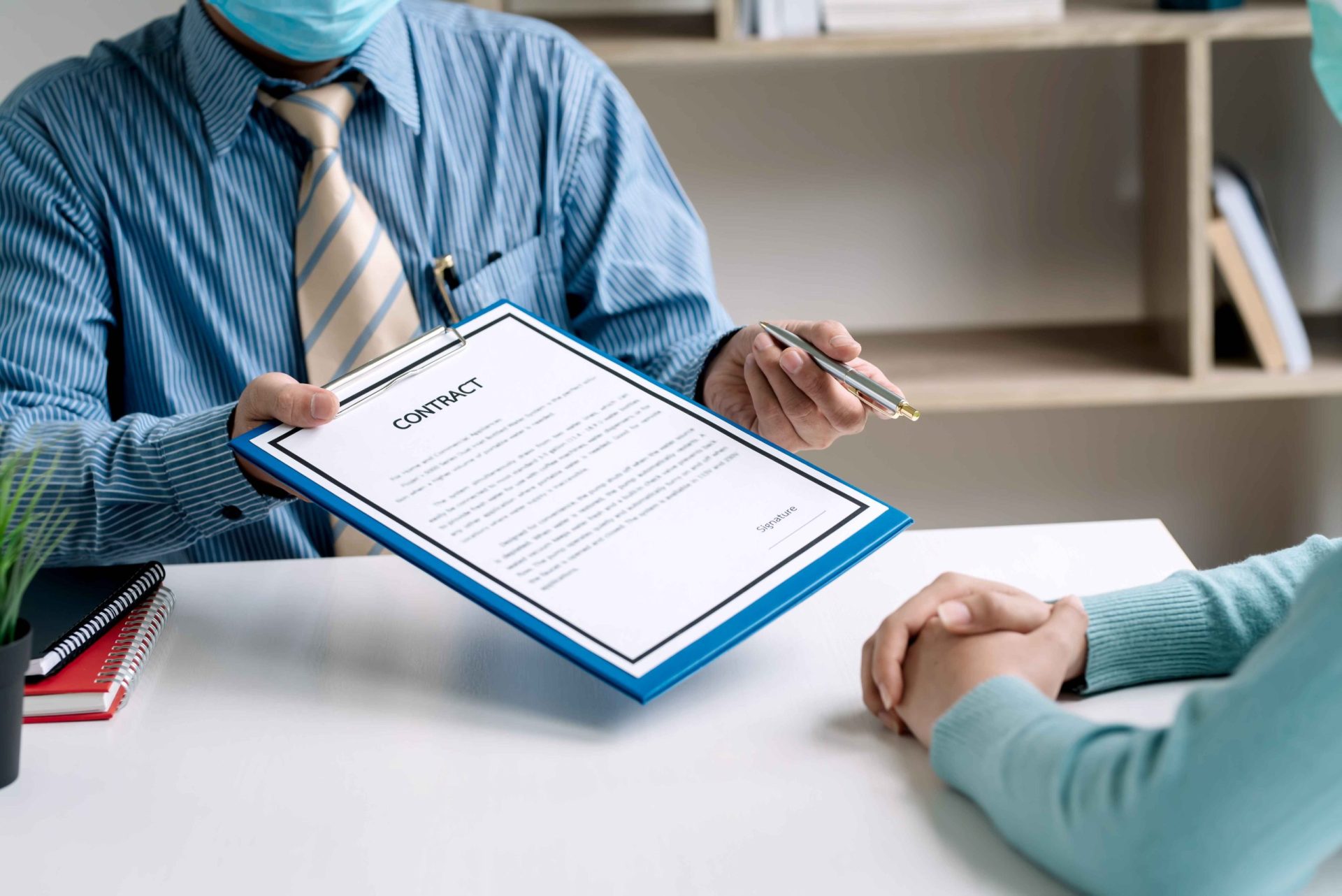


Credentialing is one of the most important processes in healthcare staffing, yet it is often misunderstood or rushed in many medical clinics. It is the process of verifying that a healthcare professional is qualified, licensed, and competent to provide patient care.
Without proper credentialing, clinics risk legal issues, patient safety concerns, and compliance violations. A strong credentialing system ensures that every clinician meets professional and regulatory standards before they begin working.
This guide explains the basics of credentialing and how clinics can manage it effectively.
What Is Credentialing in Healthcare?
Credentialing is the systematic process of verifying a healthcare provider’s qualifications, including:
- Medical or nursing licenses
- Education and training
- Certifications and board qualifications
- Work history and experience
- Malpractice history (if applicable)
It confirms that a provider is legally and professionally fit to practice in a clinical setting.
Why Credentialing Is Important for Clinics
Proper credentialing protects both patients and clinics.
It helps:
- Ensure patient safety
- Maintain legal and regulatory compliance
- Reduce risk of malpractice claims
- Improve quality of care
- Build trust in the clinic’s services
In healthcare, hiring without credentialing is not just risky—it can be legally dangerous.
1. Verification of Licenses
The first step in credentialing is confirming active licenses.
Clinics must check:
- Valid medical or nursing license
- Expiration dates
- State or regional registration status
Why it matters:
An expired or invalid license means the provider is not legally allowed to practice.
2. Education and Training Verification
Clinics must confirm the educational background of all providers.
Includes:
- Medical or nursing degrees
- Internship or residency completion
- Specialty training programs
Why it matters:
Ensures the provider has the proper academic foundation for their role.
3. Certification and Board Eligibility
Many healthcare roles require additional certifications.
Examples:
- Board certification in specialties
- Advanced life support certifications
- Specialty practice credentials
Why it matters:
Certifications confirm advanced skills and clinical expertise.
4. Work History Verification
Understanding a provider’s experience is critical.
Clinics should verify:
- Previous employment records
- Job titles and responsibilities
- Duration of past roles
Why it matters:
Helps assess reliability, experience level, and consistency.
5. Background and Compliance Checks
Safety is a top priority in healthcare hiring.
Checks may include:
- Criminal background screening
- Disciplinary actions history
- Malpractice claims (where applicable)
Why it matters:
Protects patients and reduces legal risk for the clinic.
6. License Monitoring and Renewal Tracking
Credentialing is not a one-time process.
Clinics must:
- Track license expiration dates
- Set renewal reminders
- Re-verify credentials periodically
Why it matters:
Prevents unlicensed practice and compliance violations.
7. Primary Source Verification
Whenever possible, clinics should verify credentials directly from issuing authorities.
Examples:
- Medical boards
- Educational institutions
- Certification bodies
Why it matters:
Reduces risk of falsified documents.
8. Credentialing for Contract and Temporary Staff
Even temporary staff must go through credentialing.
Must include:
- License verification
- Certification checks
- Identity confirmation
Why it matters:
Patient safety standards apply to all staff, regardless of duration.
Common Credentialing Mistakes Clinics Make
1. Relying Only on Resumes
Resumes may contain unverified or incomplete information.
2. Skipping License Verification
One of the most serious compliance risks.
3. Not Updating Records Regularly
Expired credentials can go unnoticed.
4. Poor Documentation
Missing records create legal vulnerabilities.
5. Rushing Credentialing During Urgent Hiring
Speed should never replace accuracy.
Role of HR in Credentialing
HR teams are central to the credentialing process.
They are responsible for:
- Collecting credential documents
- Verifying licenses and certifications
- Maintaining updated records
- Coordinating with licensing boards
- Ensuring compliance with healthcare regulations
Strong HR systems reduce risk and improve hiring quality.
Benefits of Proper Credentialing
When clinics implement strong credentialing processes, they achieve:
1. Improved Patient Safety
Only qualified professionals provide care.
2. Legal Compliance
Reduces risk of fines and penalties.
3. Higher Quality Care
Verified professionals ensure better outcomes.
4. Stronger Clinic Reputation
Patients trust credentialed providers.
5. Reduced Hiring Risk
Prevents unqualified individuals from being hired.
Best Practices for Clinic Credentialing
1. Standardize the Credentialing Process
Use consistent steps for all hires.
2. Use Digital Credentialing Systems
Automate tracking and verification where possible.
3. Maintain Updated Records
Regularly review and update provider files.
4. Re-Credential Periodically
Do not assume credentials remain valid indefinitely.
5. Keep Compliance Documentation Organized
Ensure audit readiness at all times.
Conclusion
Credentialing is a critical foundation of safe and effective healthcare hiring. It ensures that every medical professional working in a clinic is properly qualified, licensed, and verified.
While it may seem like a detailed administrative process, it plays a major role in protecting patients, supporting compliance, and maintaining clinical excellence.
By implementing a structured and consistent credentialing system, clinics can build a trustworthy workforce and deliver higher-quality patient care with confidence.